
1894
Observatory Founded
Lowell Observatory was established in Flagstaff, Arizona, by astronomer Percival Lowell with the goal of searching for life on Mars. This marked the beginning of what would become one of the most significant astronomical research institutions in the world.

1896
Clark Refractor Built
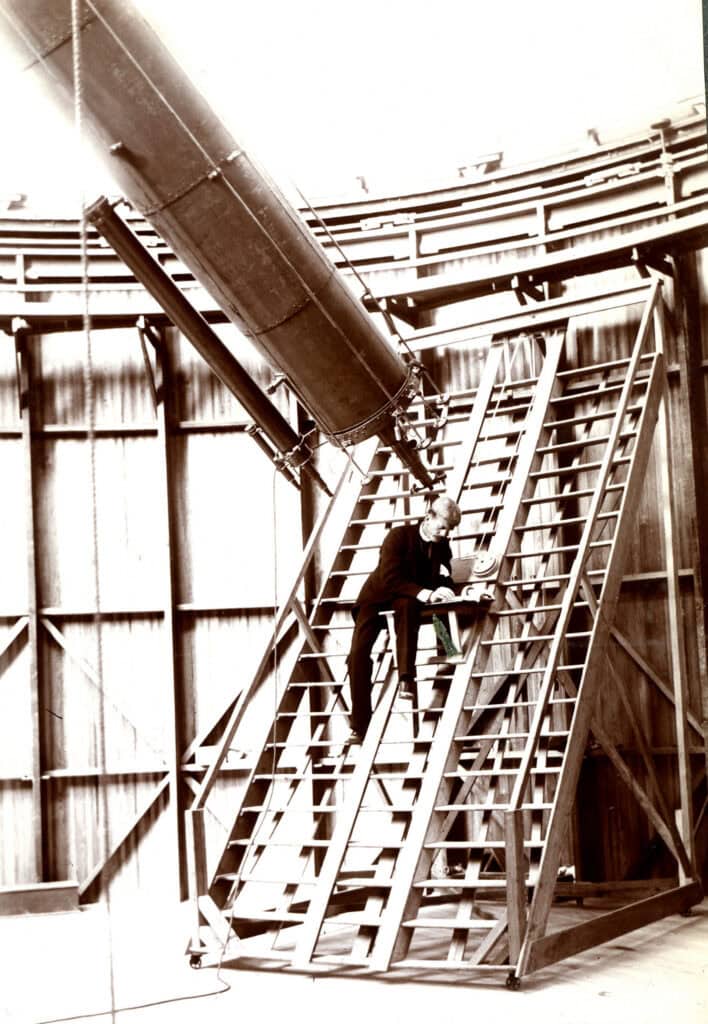
Percival Lowell commissioned renowned telescope makers Alvan Clark & Sons to construct a 24-inch refracting telescope. The Clark Refractor remains one of Lowell Observatory’s most iconic instruments and is still used today for public viewing.Lowell Observatory was established in Flagstaff, Arizona, by astronomer Percival Lowell with the goal of searching for life on Mars. This marked the beginning of what would become one of the most significant astronomical research institutions in the world.
1912
Expanding Universe
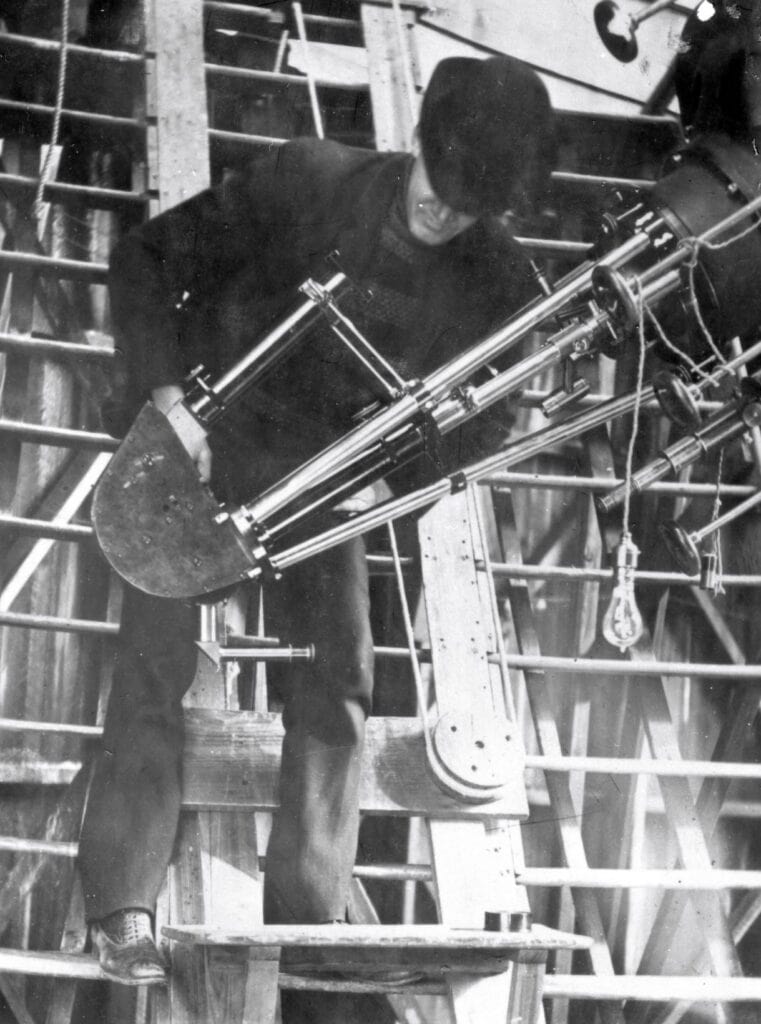
Astronomer V.M. Slipher, working at Lowell, made the first detection of the expanding universe by measuring the redshifts of galaxies — a groundbreaking contribution to modern cosmology
1916
Percival Lowell Dies
Founder Percival Lowell passed away at the age of 61 and was entombed in a mausoleum near the Clark Refractor. His vision and passion for planetary science continue to inspire research today.Astronomer V.M. Slipher, working at Lowell, made the first detection of the expanding universe by measuring the redshifts of galaxies — a groundbreaking contribution to modern cosmology

1977
Rings of Uranus
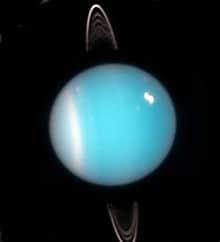
A team including Lowell astronomers discovered the ring system of Uranus using airborne and ground-based telescopes — a major planetary science milestone.
1988
Pluto’s Atmosphere
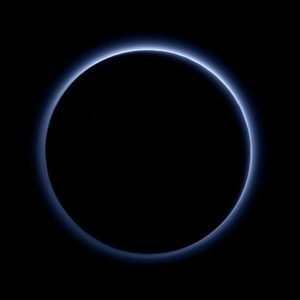
Astronomers from Lowell and collaborating institutions detected Pluto’s atmosphere, revealing a complex and dynamic environment.
2020
Dyer Telescope Installed
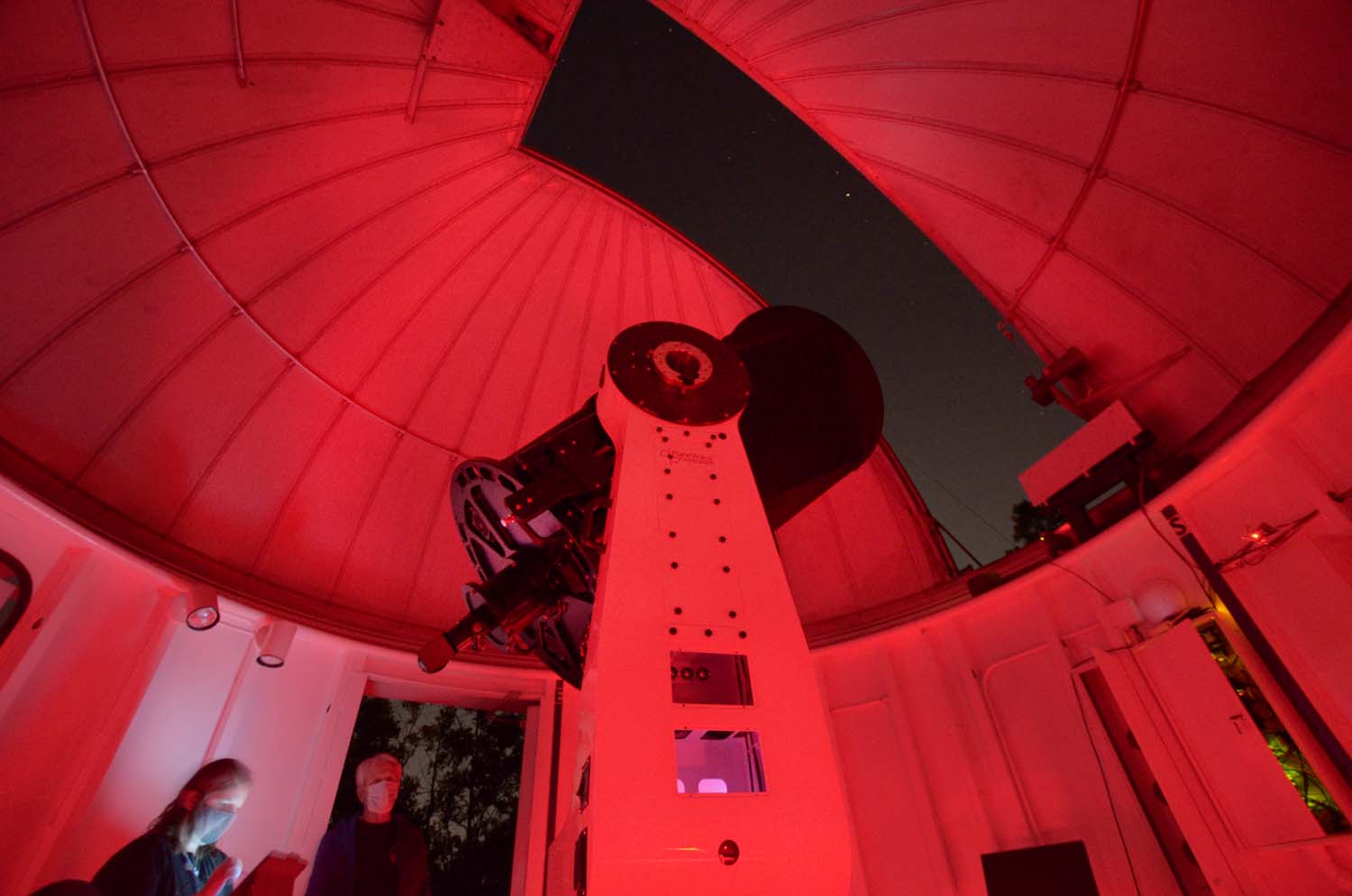
The Brian Dyer Telescope, a 24-inch PlaneWave CDK24, was installed in the former McAllister Dome in February 2020. It is now the primary instrument for Lowell’s private stargazing experiences.
2024
Astronomy Discovery Center Opens
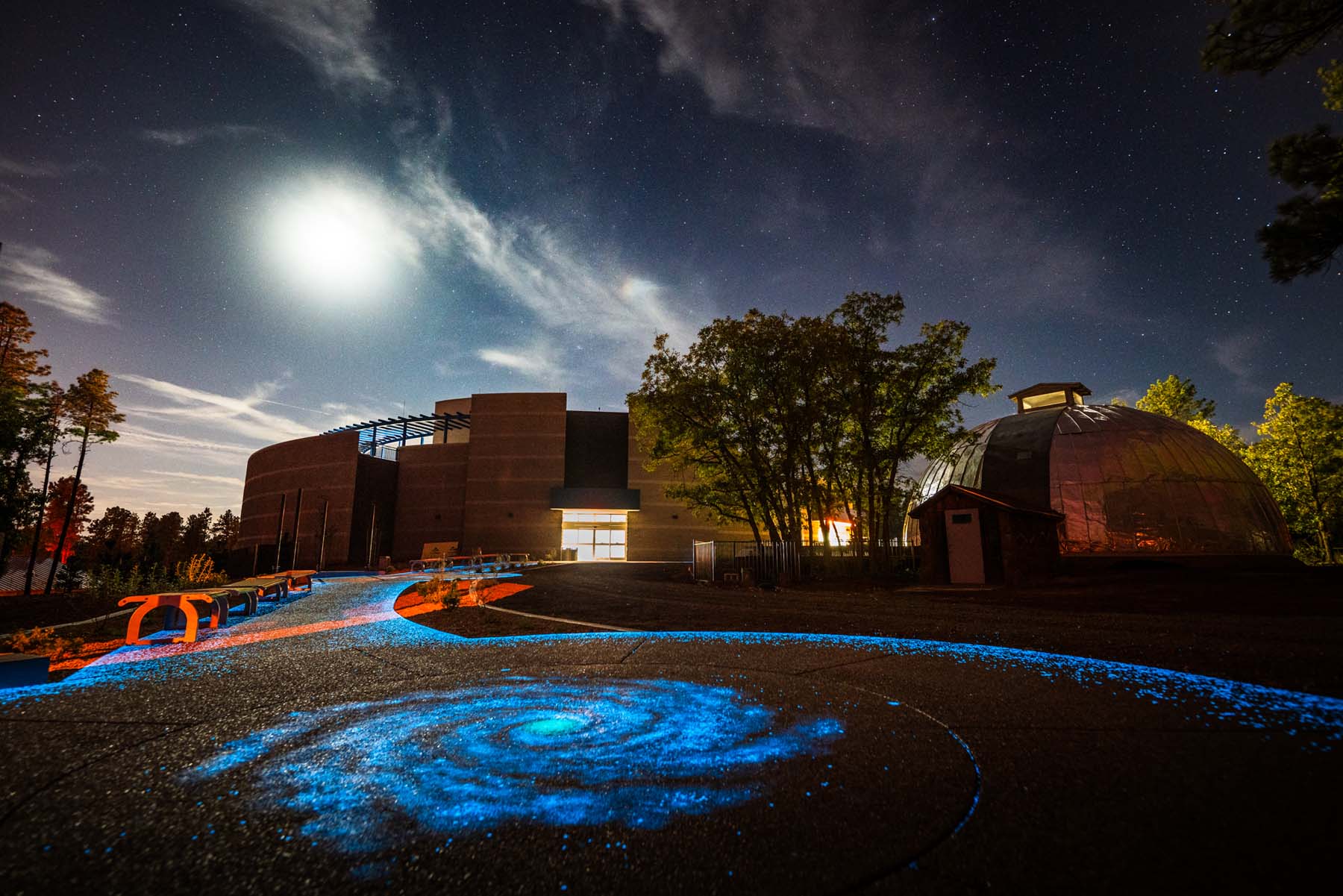
The Astronomy Discovery Center (ADC) opened in November 2024, becoming Lowell’s new visitor hub and one of the top science centers in the United States.
About Us

Historic Timeline
Explore the discoveries that put Lowell Observatory on the map.
