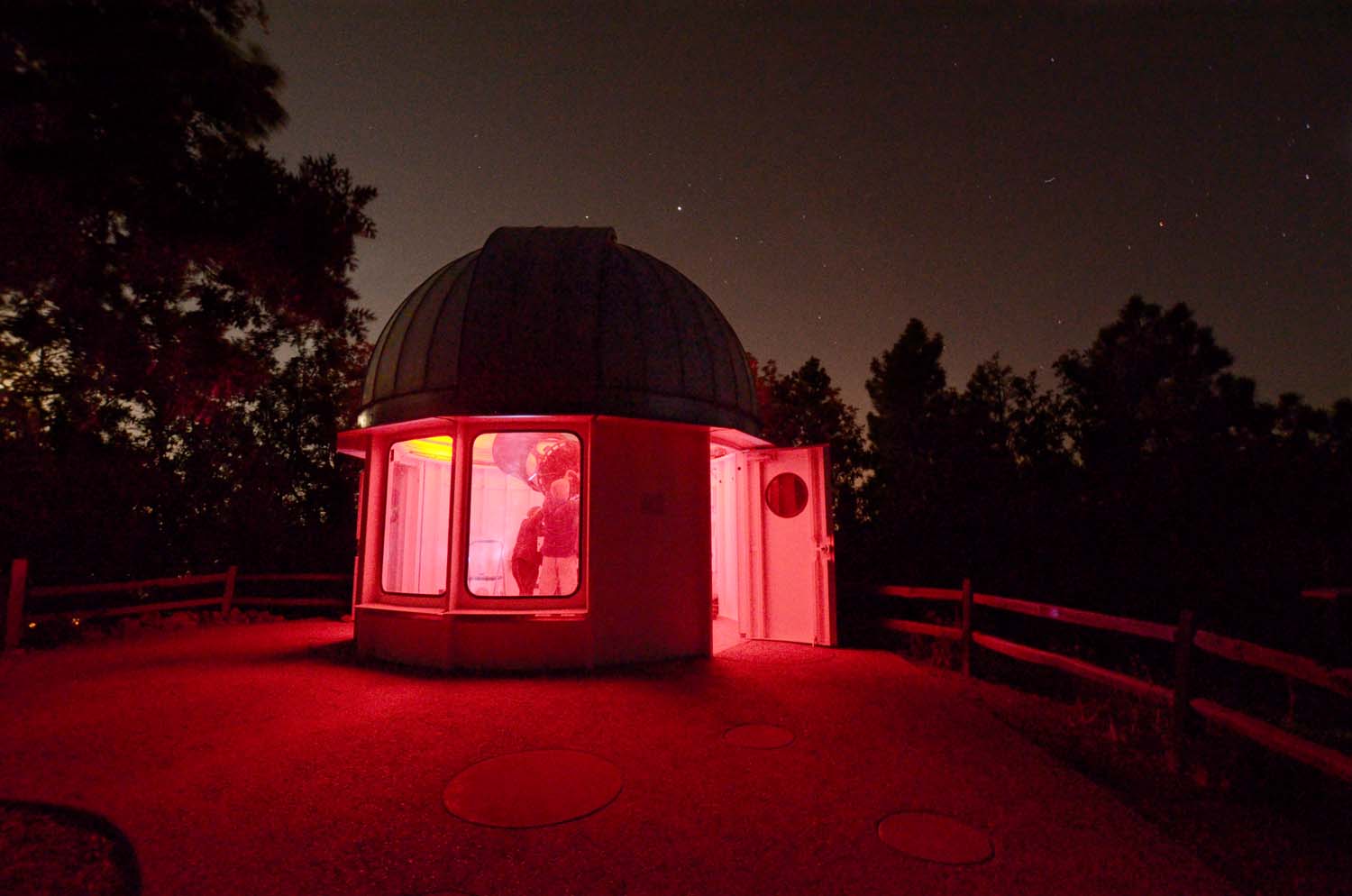


The Dyer Telescope: Our Newest Addition
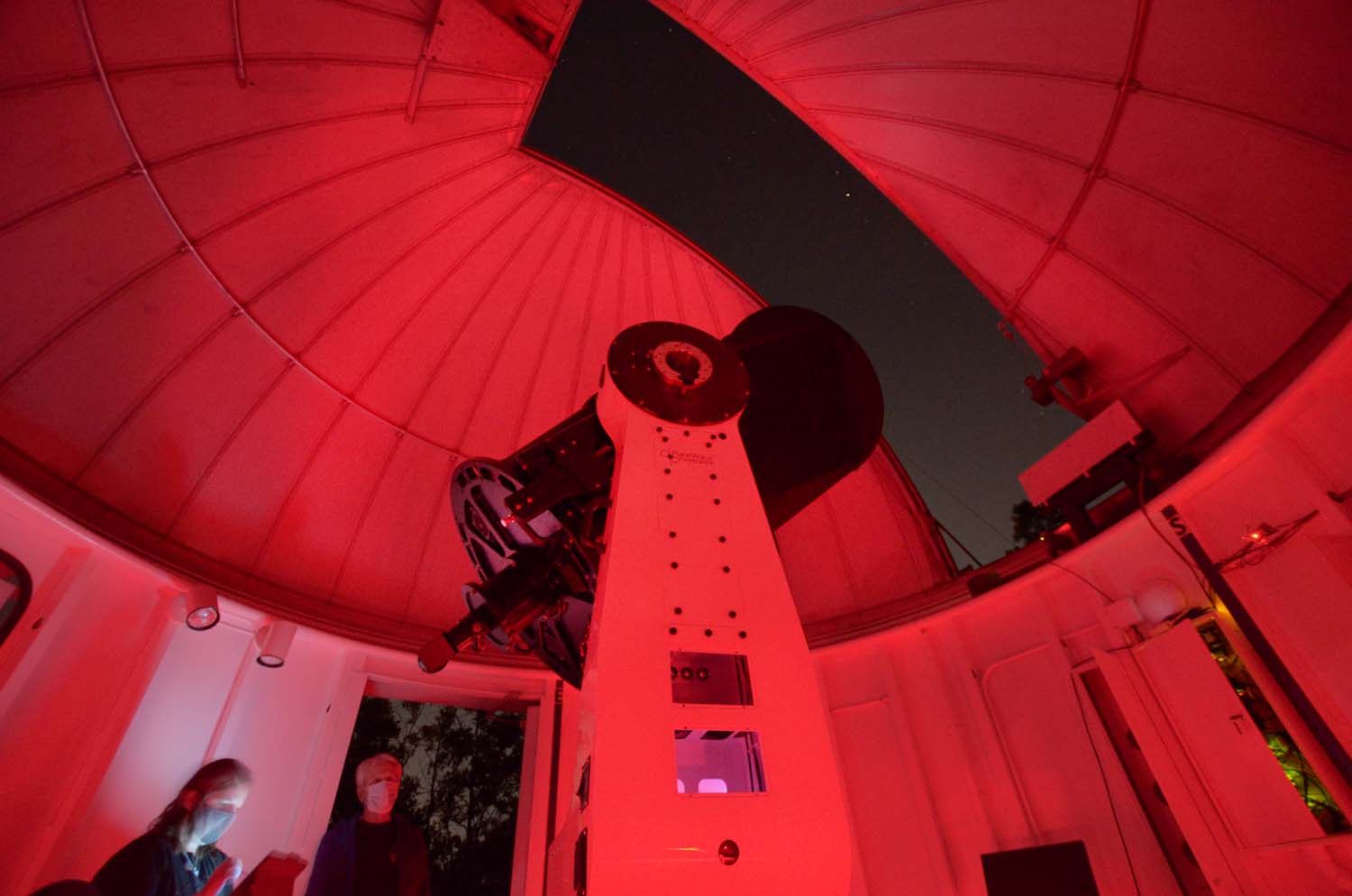
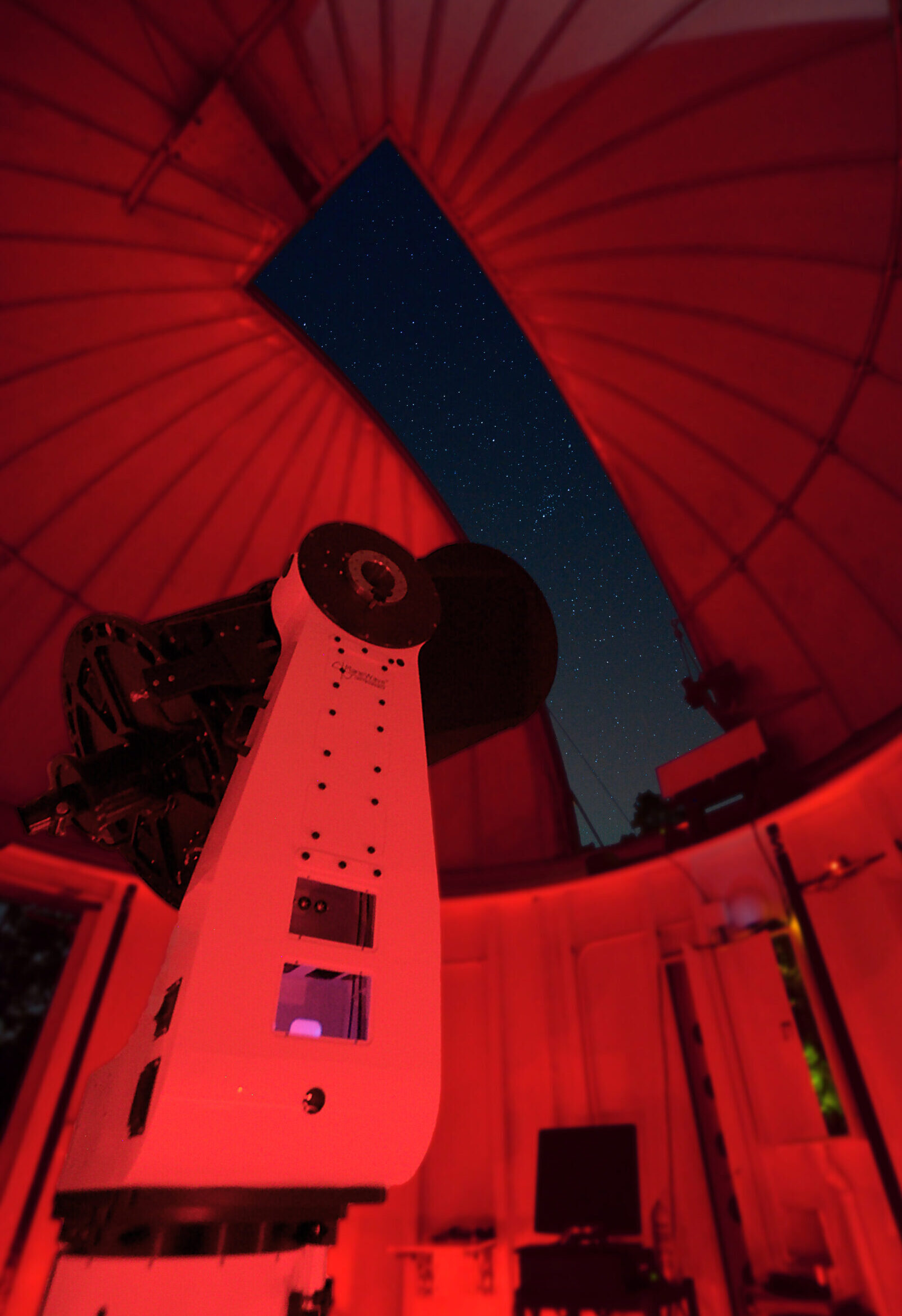
The Brian Dyer Telescope is one of the newest and most advanced public telescopes at Lowell Observatory in Flagstaff, Arizona. Installed in spring 2020, this state-of-the-art instrument was named by its donors in memory of Brian Dyer, a respected businessman and beloved friend who passed away unexpectedly in 2011.
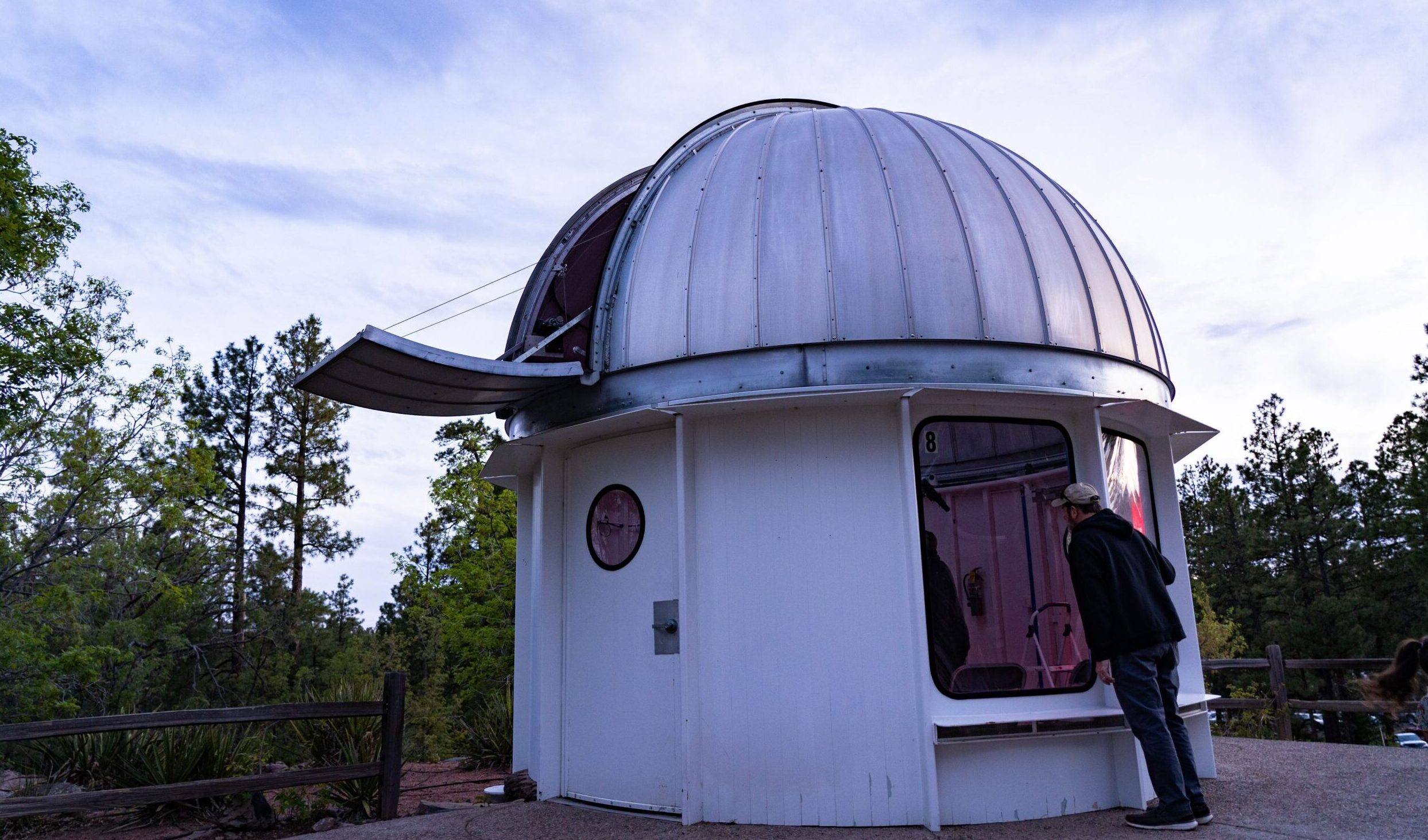
The telescope is housed in the Brian Dyer Dome, a retrofitted structure located about 50 yards south of the historic Clark Refractor dome. Originally known as the McAllister Dome, it was built in 1996 to host a 16-inch telescope formerly used at Northwestern University. When that instrument became nearly inoperable, Lowell Observatory replaced it with the new Dyer Telescope. While the dome now carries Brian Dyer’s name, the surrounding area continues to honor the McAllister family as the John Vickers McAllister Public Observing Plaza.
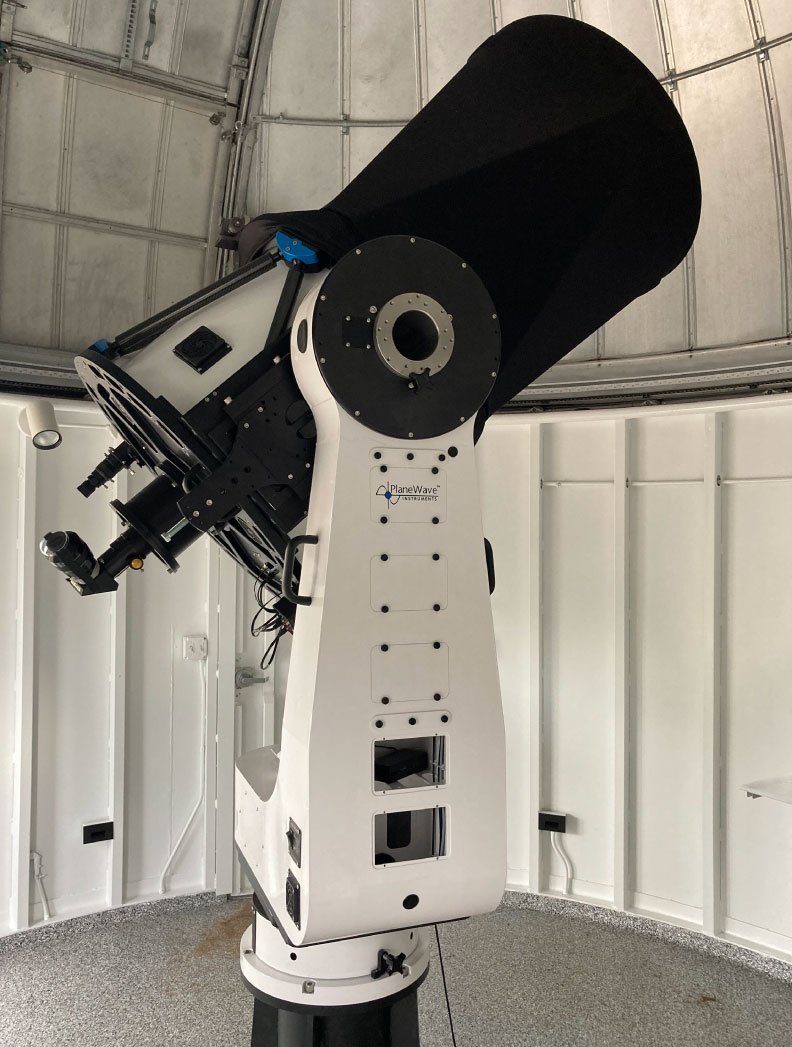
The PlaneWave CDK24a Dyer Telescope features a 24-inch (0.61-meter) f/6.5 Corrected Dall-Kirkham astrograph design, delivering a 70-millimeter field of view without field curvature, off-axis coma, or astigmatism. This optical precision provides visitors with crisp, pinpoint stars from the center to the edge of the view. With an aperture equal to that of the Clark Refractor, but in a more compact design, the Dyer Telescope offers an unparalleled stargazing experience for public visitors and astronomy enthusiasts alike.