

Catch the Perseids Early: Meteor Viewing from Mars Hill
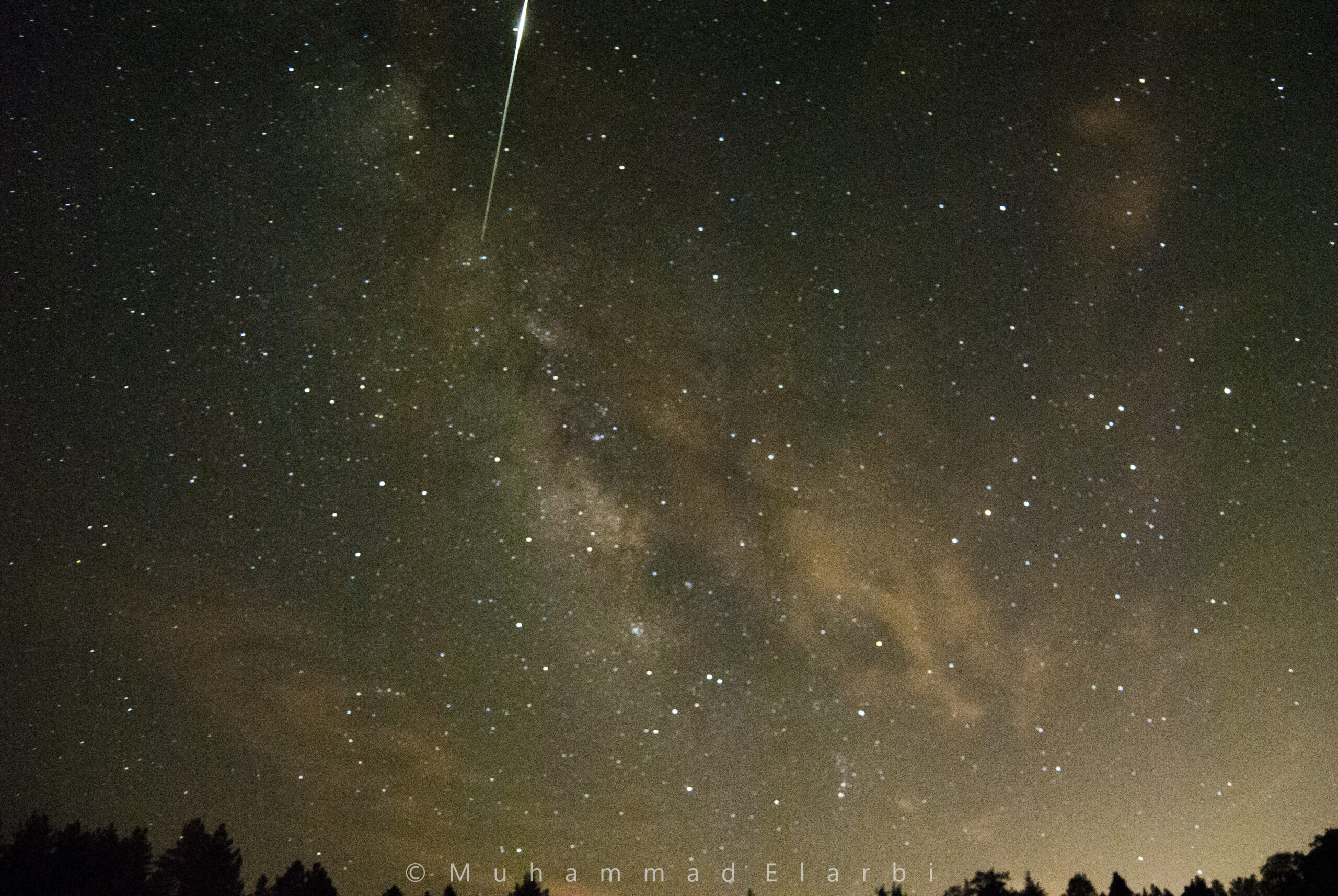
The Perseid meteor shower is one of the most anticipated astronomical events of the year. Known for its bright, fast-moving meteors, the Perseids are visible across the Northern Hemisphere each August, with a peak expected the night of August 11–12. But you don’t need to wait for the peak to enjoy the show. In fact, some of the best meteor viewing in Flagstaff happens in the days leading up to it.
Thanks to its high elevation and low light pollution, Flagstaff is one of the best places in Arizona to view meteor showers. And with dark skies stretching across the horizon, Lowell Observatory offers an ideal setting to connect with the night sky.
What is the Perseid Meteor Shower?
The Perseids occur when Earth passes through the trail of debris left by Comet Swift-Tuttle. As tiny particles of dust and rock burn up in Earth’s atmosphere, they create streaks of light known as meteors. The Perseids are especially active, often producing dozens of visible meteors per hour under ideal conditions.
When and Where to Look
While the meteor shower peaks on August 11–12, early viewing is possible now through August 10. Some nights may offer clearer skies, fewer crowds, and just as much beauty.
-
Best time to view: Midnight to 4:30 a.m. (Flagstaff time)
-
Ideal direction: Look northeast, near the constellation Perseus
-
Estimated meteors per hour: 10 to 20 before the peak
To maximize your experience, try to find a location away from artificial light. The darker the sky, the more meteors you’ll see.
Experience the Perseids at Lowell Observatory
Overlooking downtown Flagstaff atop Mars Hill, Lowell Observatory offers a unique stargazing experience for visitors of all ages. Evening admission includes access to telescope viewing, guided science talks, and hands-on exhibits that bring the cosmos to life. If you’re searching for the best place to see the Perseid meteor shower in Arizona, our Flagstaff campus is a great option.
What to Bring
-
A blanket or reclining chair for comfortable viewing
-
Warm clothing for cooler nighttime temperatures
-
Snacks and water for longer viewing sessions
-
Time and patience—give your eyes 20 to 30 minutes to adjust to the dark
There’s something truly inspiring about watching meteors trace their way across the night sky. Under Flagstaff’s dark, clear skies, the Perseids offer not just a show, but a moment of quiet awe. Whether you visit during the peak or catch them in the days before, each streak of light is a reminder that the universe is always in motion—and always worth looking up for!


