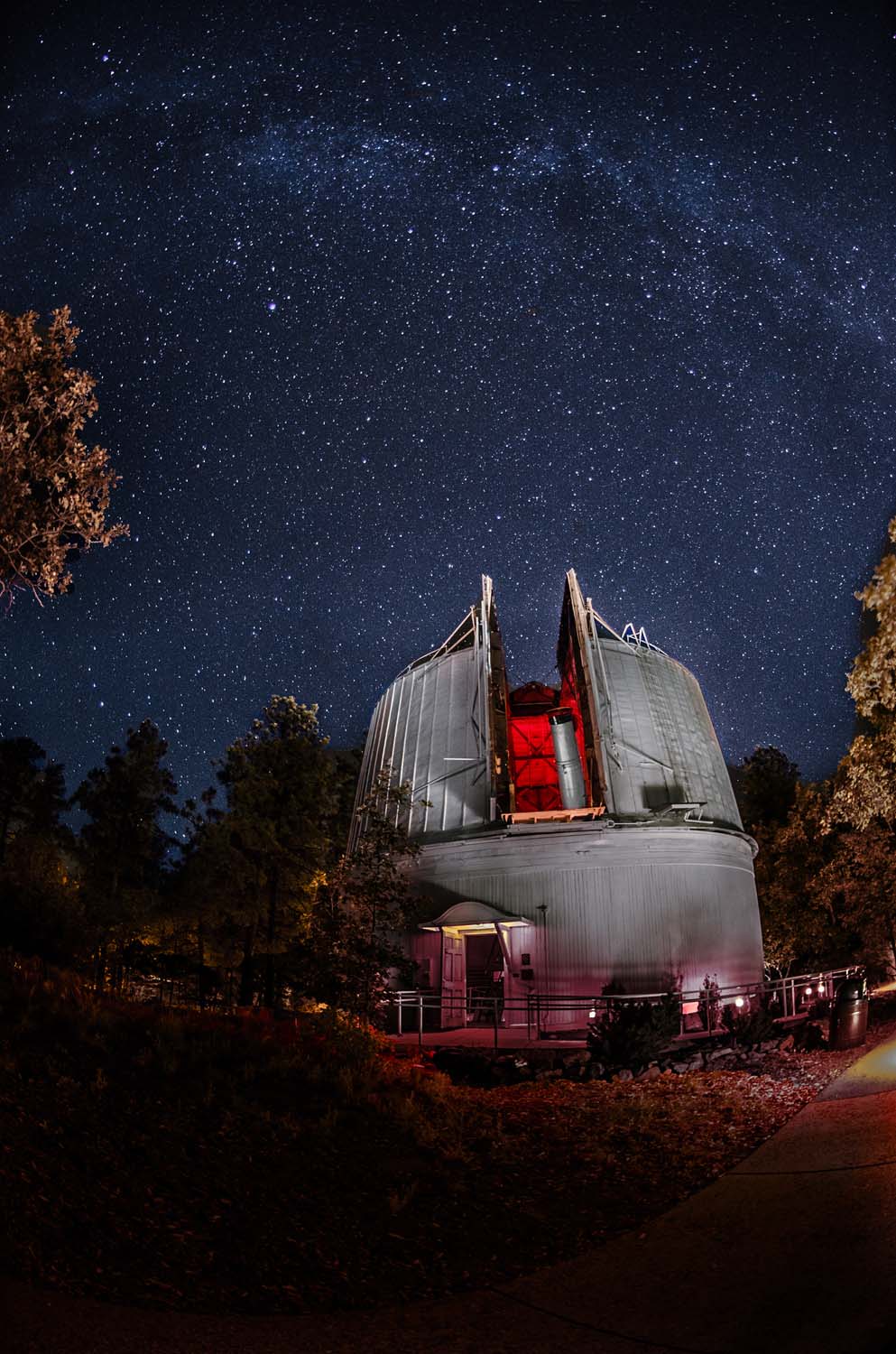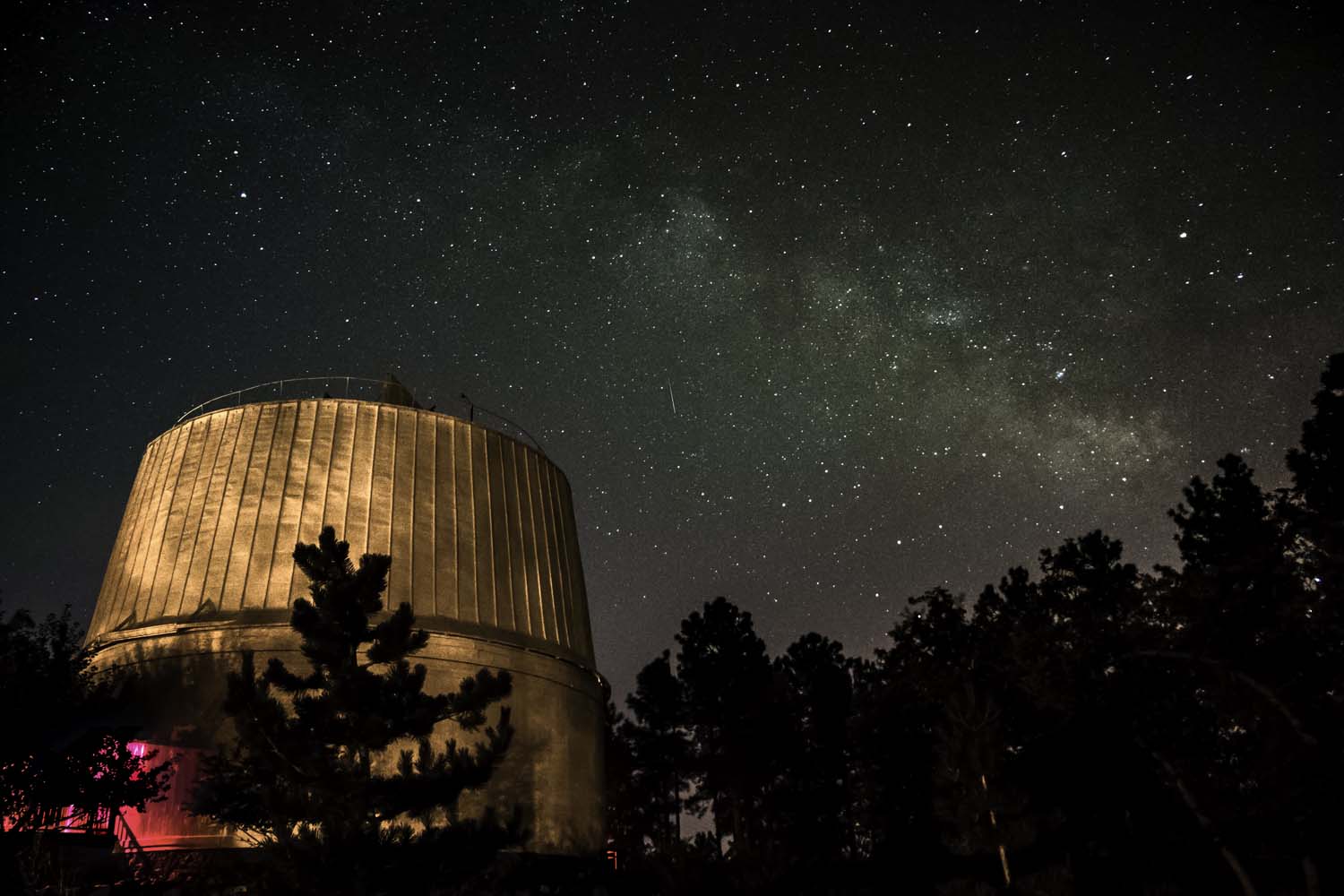


The Historic Clark Telescope Dome
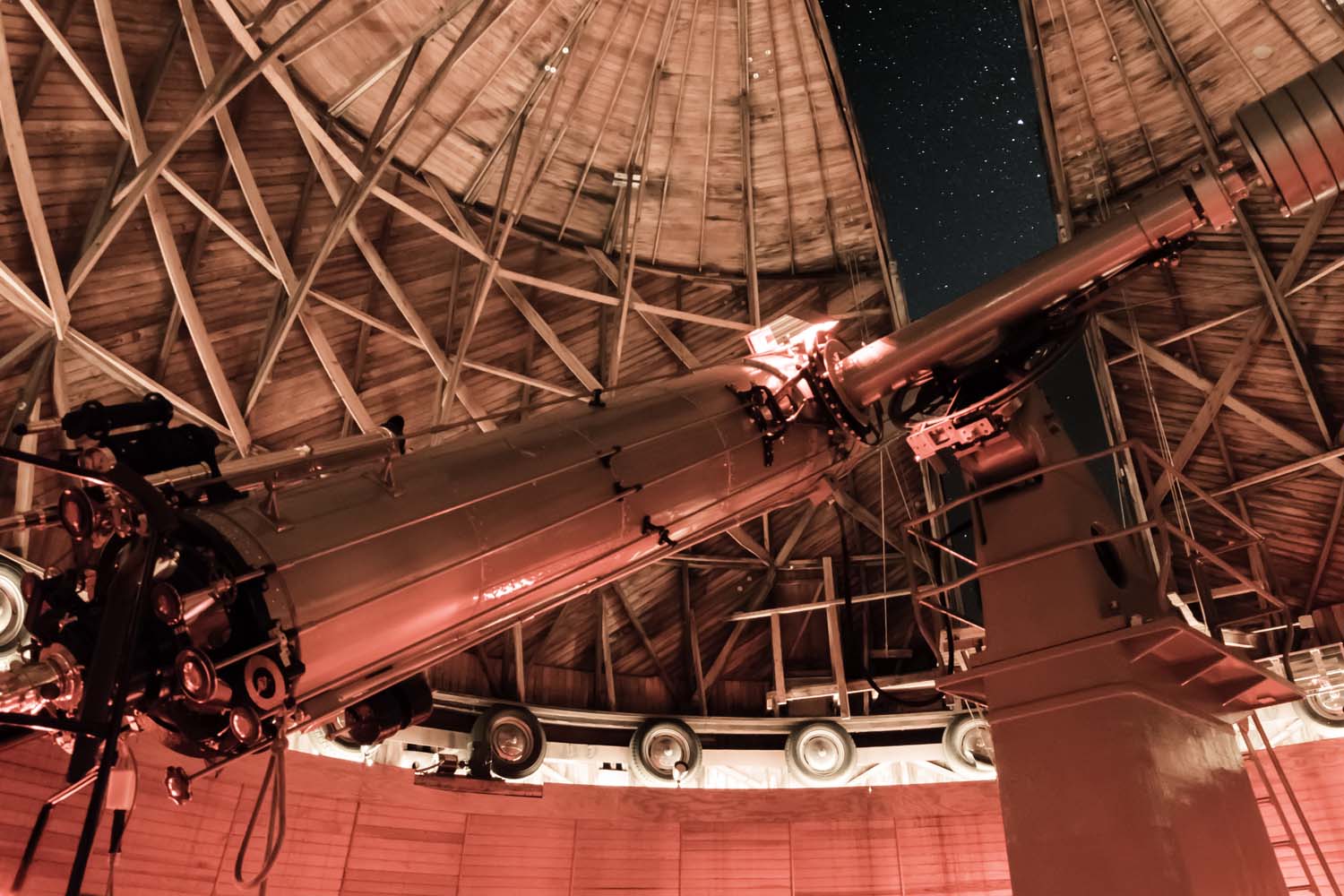
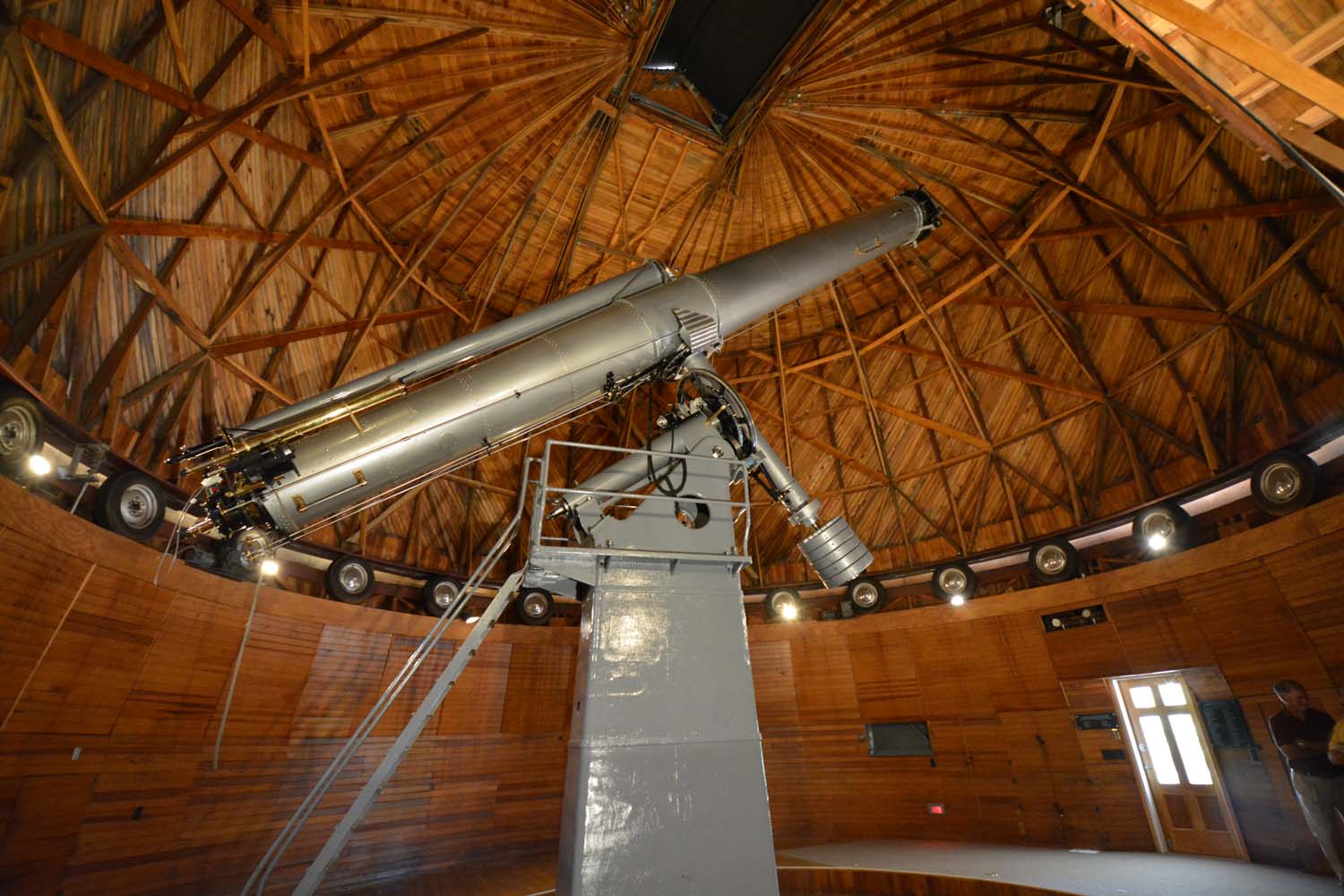
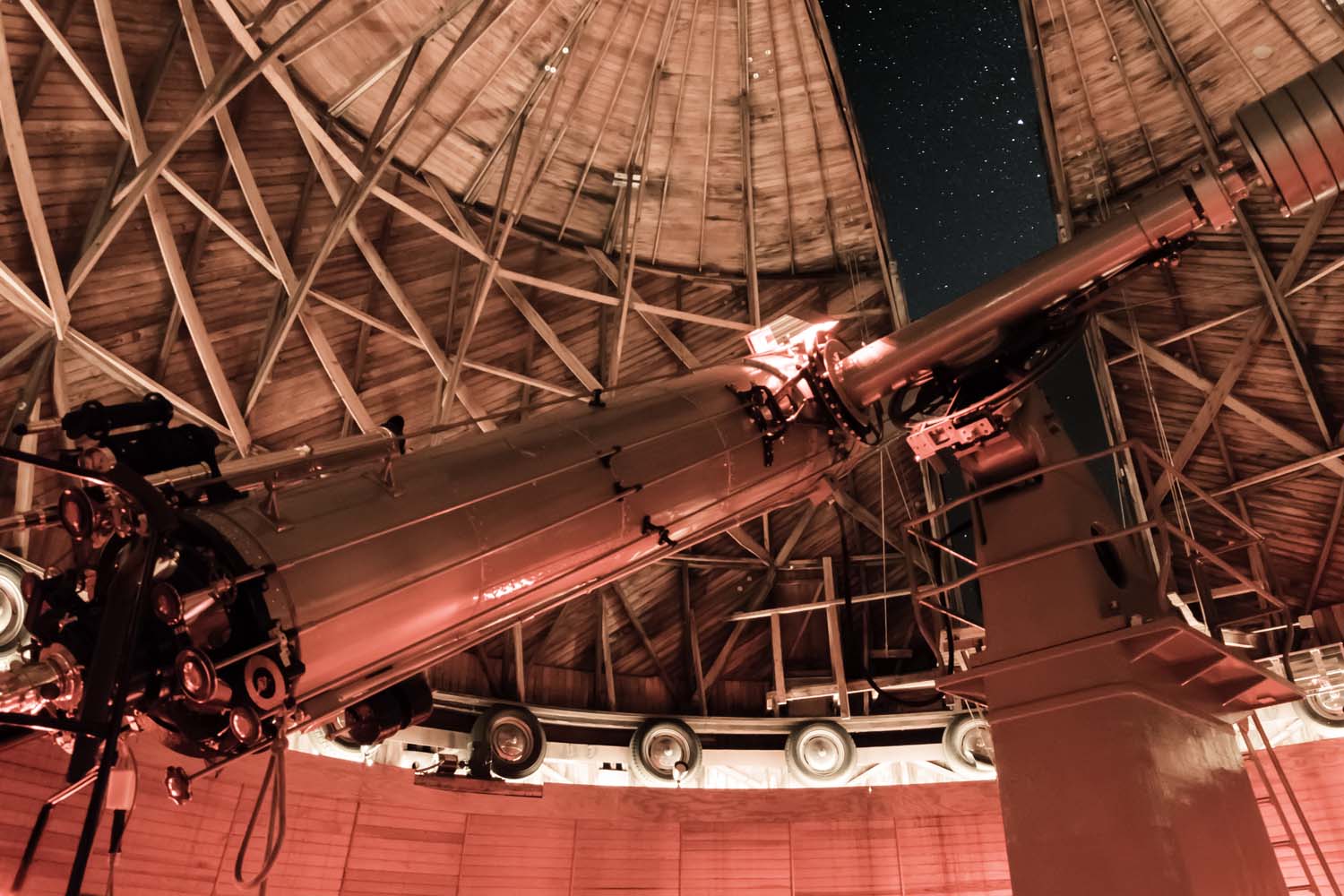
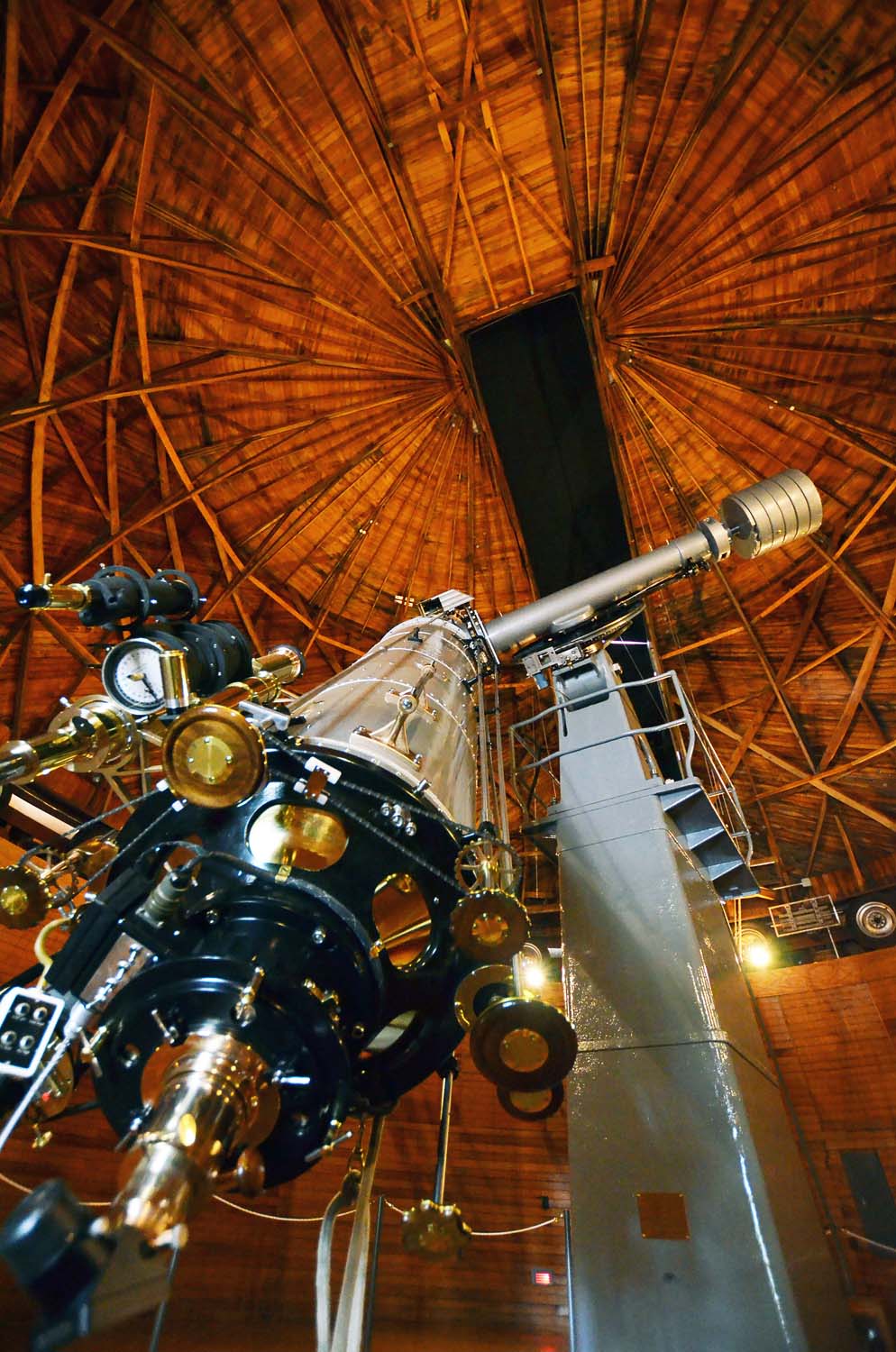
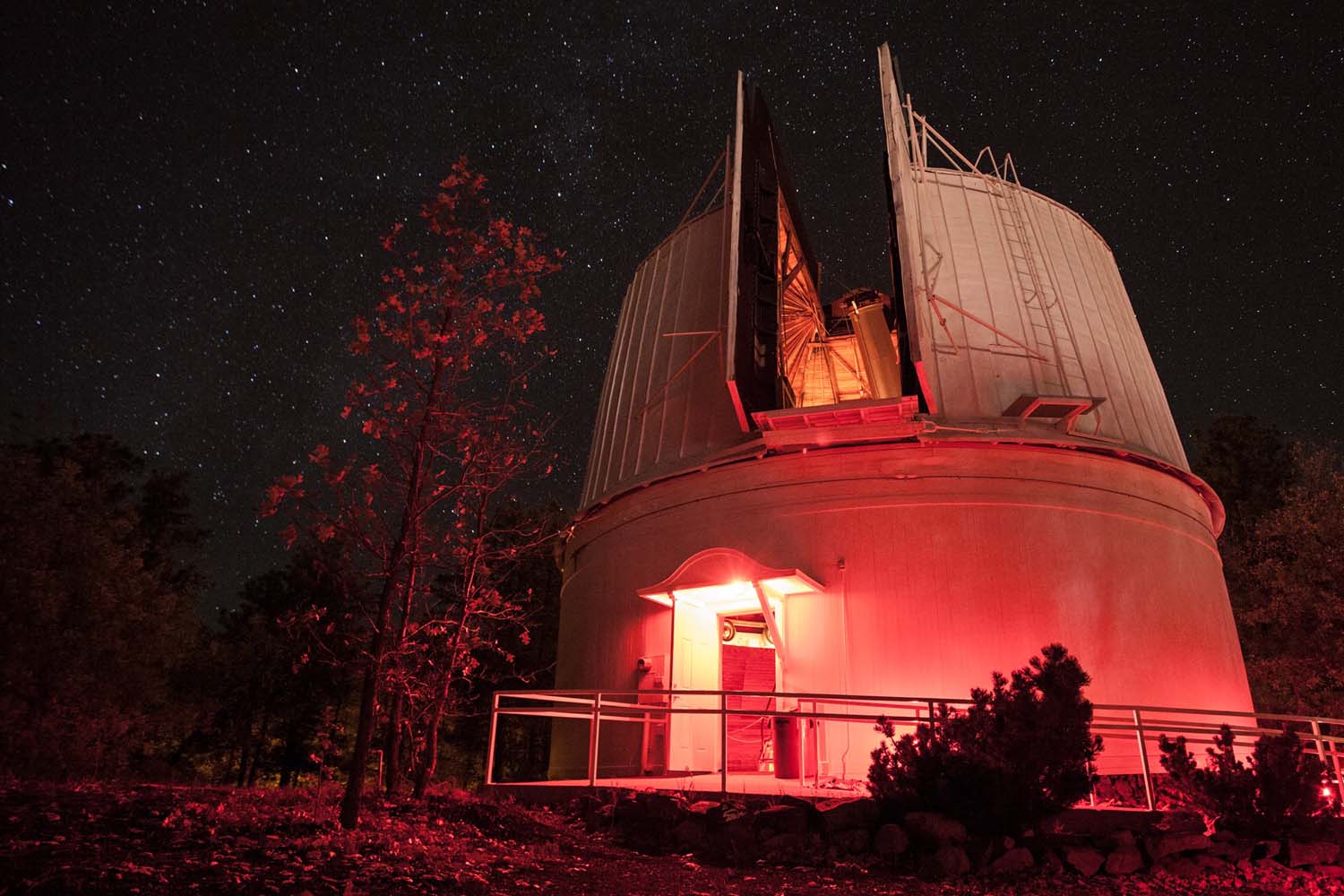
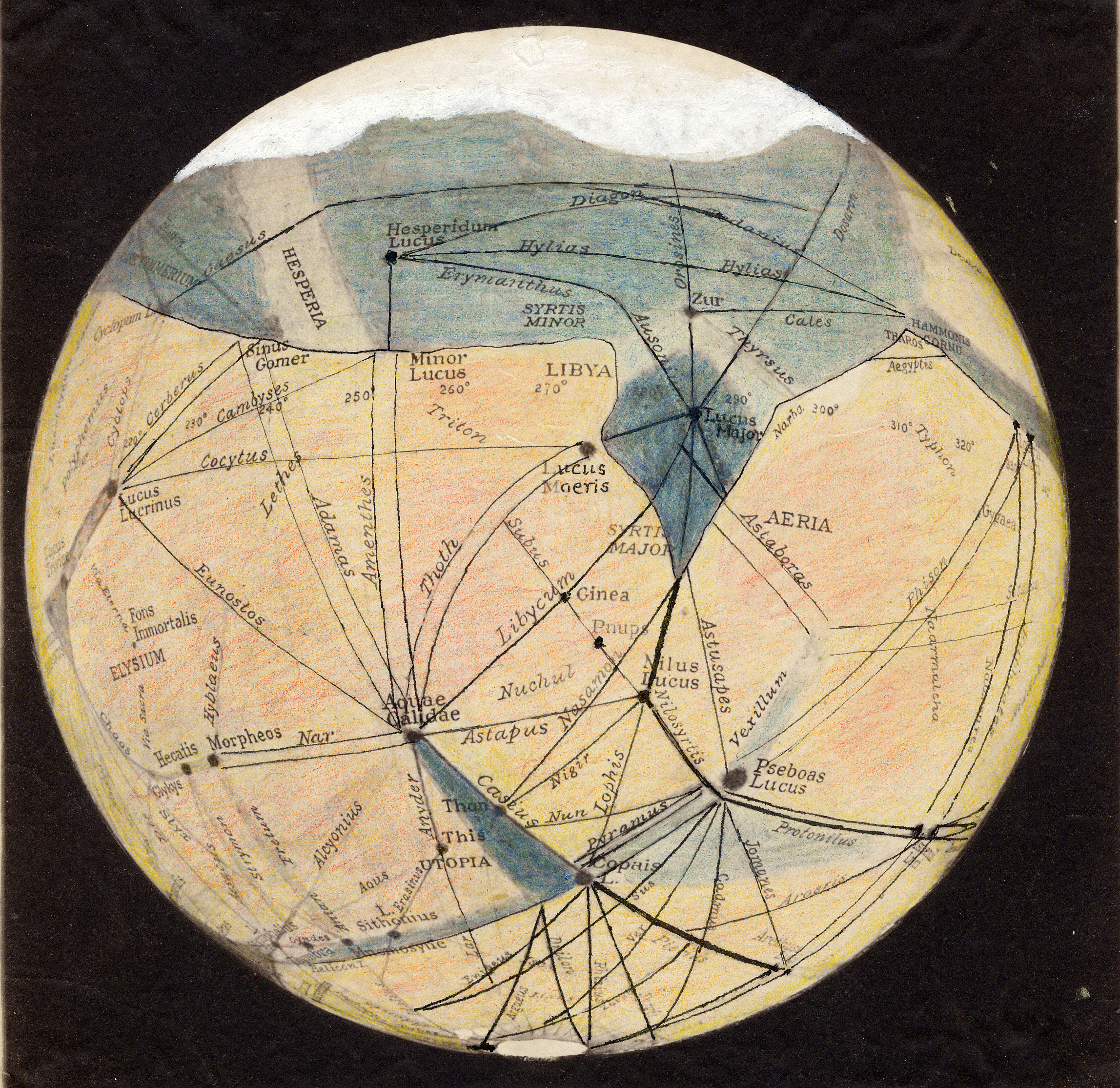
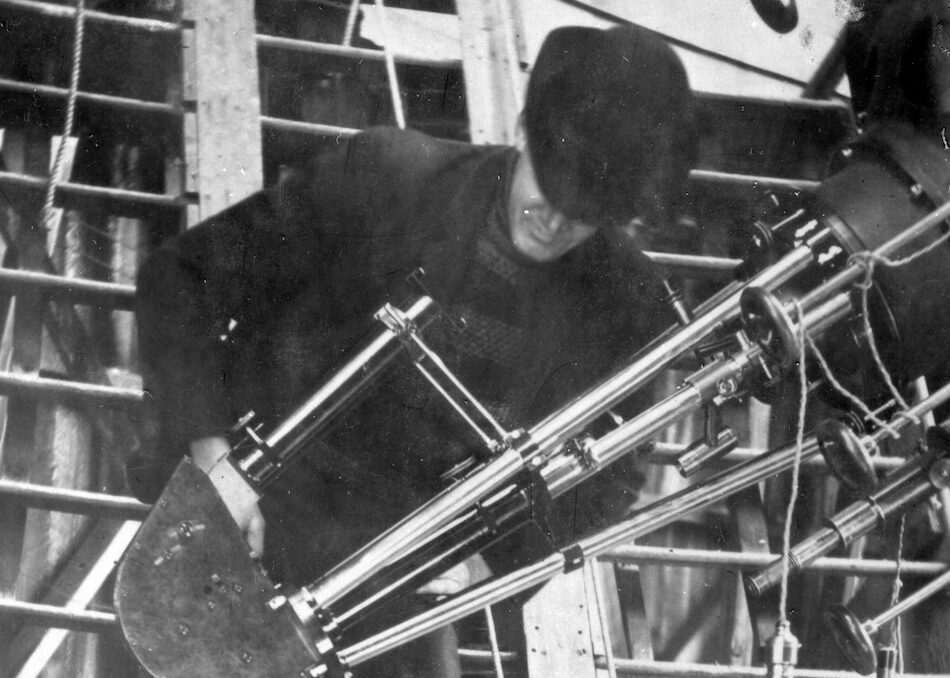
Commissioned in 1895 by Percival Lowell and built by Alvan Clark & Sons, the 24-inch Clark Refractor has been at the forefront of astronomical research for over a century. From mapping Martian canals to helping astronauts reach the Moon, the Clark Telescope stands as a timeless symbol of human curiosity and played a crucial role in one of the greatest scientific revelations in history: the discovery of evidence for the expanding universe. This historic Victorian telescope is older than the State of Arizona, and visitors can still use it to stargaze on a clear night at Lowell Observatory.
Explore the Cosmos Through a Piece of History
The Historic Clark Telescope offers visitors a rare opportunity to experience a living piece of astronomical history. It was here that astronomers like Percival Lowell mapped Mars, sparking global fascination with the Red Planet.
But its legacy didn’t stop there. In the early 20th century, observations at Lowell Observatory, using the Clark Telescope and other instruments, provided critical evidence that the universe is expanding, laying the groundwork for what would become known as the Big Bang theory.
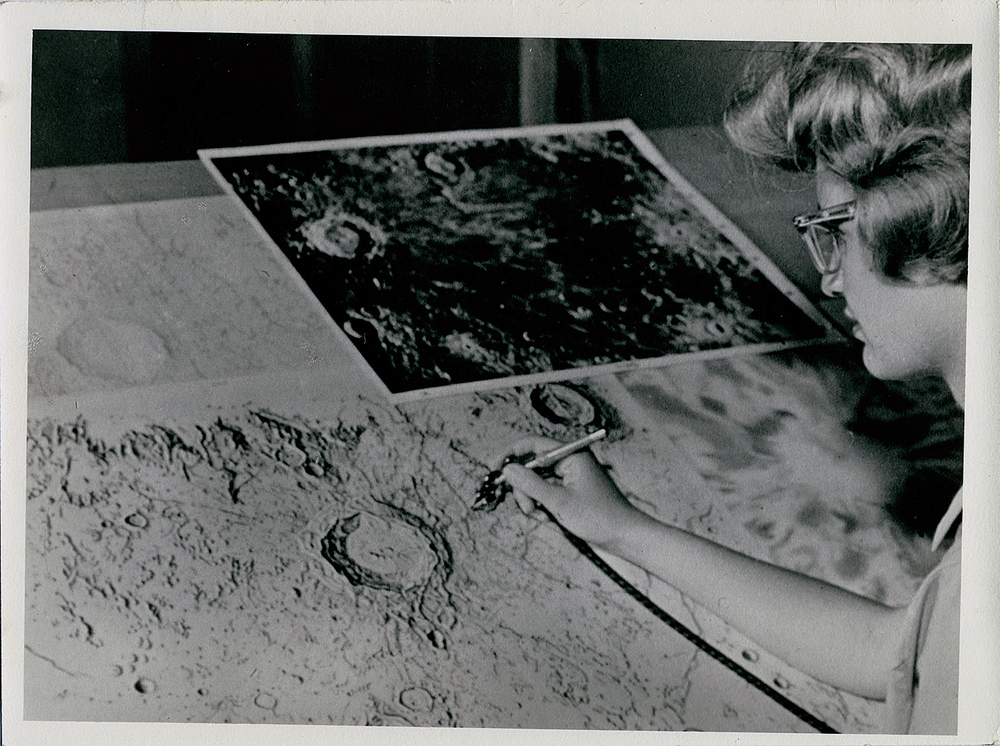
In the 1960s, the Clark Telescope played a pivotal role in the success of the Apollo Moon missions. Astronomers and artists collaborated to create detailed lunar maps using observations from the Clark, ensuring astronauts could safely navigate the lunar surface.
Today, standing under the same dome, visitors can gaze through a telescope that helped change humanity’s understanding of its place in the cosmos.
Guided Tours and Stargazing
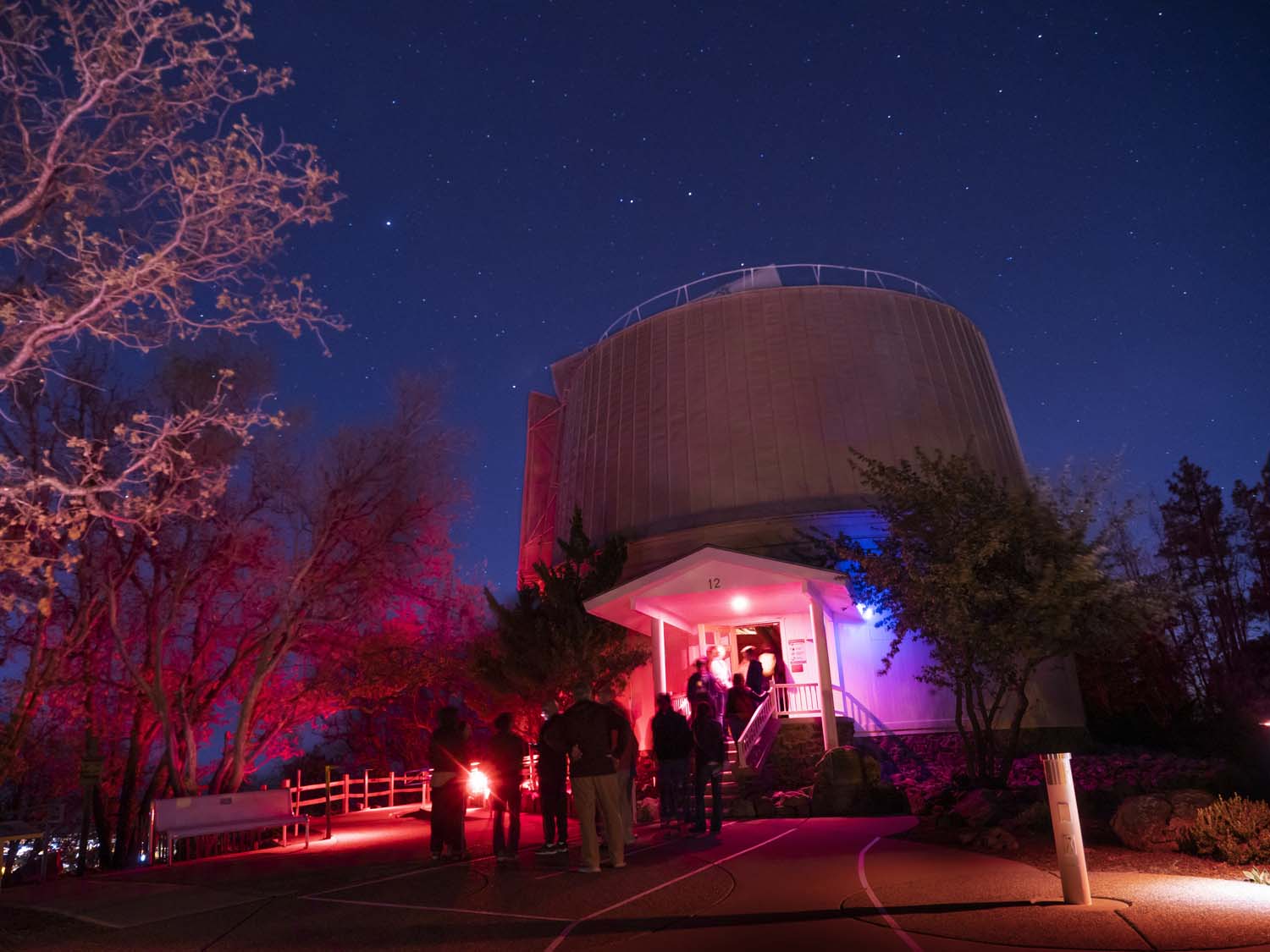
Visitors can experience the Clark Telescope through daytime guided tours that delve into its historical significance and contributions to astronomy. In the evenings, weather permitting, guests have the chance to observe celestial objects through the Clark Telescope, connecting with the stars just as astronomers have for generations at Lowell Observatory.